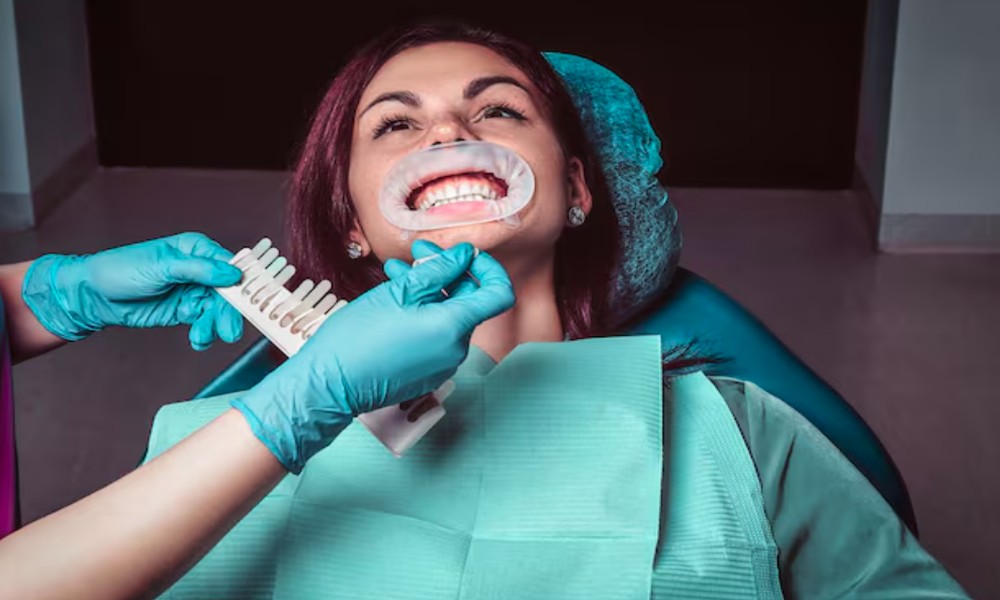

Maintaining a healthy and functional smile is a vital component of your overall physical well-being. Dental issues, ranging from minor cavities to complex structural damage, can significantly impact your quality of life if left unaddressed.
Fortunately, modern dentistry offers a vast array of diagnostic tools and restorative techniques designed to resolve these concerns efficiently.
By adopting a proactive approach and seeking professional intervention at the earliest sign of discomfort, you can prevent minor ailments from escalating into serious health complications, ensuring your teeth remain strong for years to come.
1. Identifying Early Warning Signs of Oral Decay
The first step in resolving any dental issue is the early identification of warning signs such as persistent tooth sensitivity, localized pain, or visible discoloration. These symptoms often indicate the presence of plaque buildup or the initial stages of enamel erosion.
When caught early, these problems can often be treated with non-invasive methods such as fluoride applications or simple dental fillings. Ignoring these signals typically leads to the spread of bacteria into the deeper layers of the tooth, which can eventually result in the need for more intensive procedures like root canal therapy.
2. Maintaining Health Through Comprehensive General Dental Services
The most effective way to prevent and manage oral complications is through maintaining health through comprehensive general dental services provided by a qualified professional.
These services include routine examinations, professional scaling, and personalized hygiene advice tailored to your specific oral anatomy. Regular checkups allow your dentist to monitor for gum disease, oral cancer, and shifting alignment before they become symptomatic.
By prioritizing these foundational services, you create a defensive barrier against the most common causes of tooth loss and systemic inflammation.
3. Restoring Stability with High Quality Dental Implants
When a tooth is lost or must be extracted, restoring stability with high quality dental implants is widely considered the gold standard for permanent replacement.
Unlike removable bridges or dentures, an implant consists of a titanium post that is surgically anchored into the jawbone to function as an artificial root.
This technology not only restores your ability to chew and speak with confidence but also prevents the bone loss that naturally occurs when a tooth is missing. This structural support is essential for maintaining the natural contours of your face and the health of adjacent teeth.
4. Addressing Gum Disease and Periodontal Health
Periodontal health is the bedrock of a stable smile, yet gum disease remains one of the most prevalent dental problems worldwide. It often begins with minor bleeding or swelling, which many people mistakenly overlook.
If left untreated, gingivitis can progress to periodontics, causing the gums to pull away from the teeth and weakening the supporting bone.
Addressing this involves deep cleaning techniques like scaling and root planing to remove deep-seated bacteria. Consistent periodontal care is necessary to halt the progression of the disease and preserve your natural dentition.
5. Correcting Alignment and Orthodontic Concerns
Misaligned teeth are more than just a cosmetic concern; they can cause uneven wear on the enamel and make it difficult to clean certain areas effectively. Modern orthodontic solutions, ranging from traditional braces to clear aligners, can correct these issues at almost any age.
Straightening your teeth improves your bite alignment, which reduces the strain on your jaw joints and prevents chronic headaches or facial pain. Investing in orthodontic treatment is a proactive measure that enhances both the aesthetic appeal and the long-term functionality of your mouth.