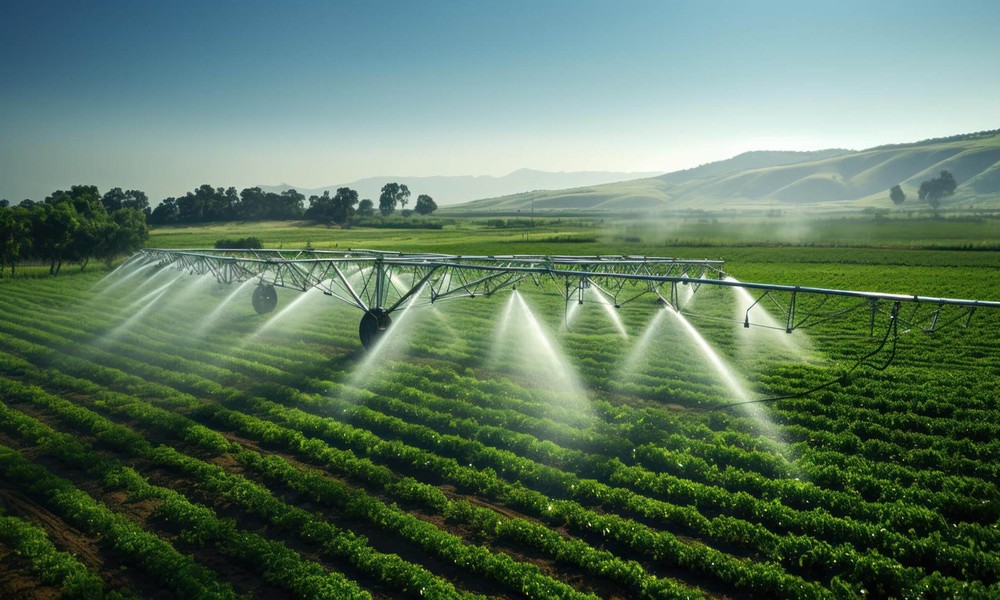

Agricultural runoff can have a lasting effect on groundwater quality, especially in areas where farms, livestock operations, and fertilizer applications are common. When rain or irrigation water moves across fields, it can carry nutrients, chemicals, bacteria, and other contaminants into the soil and eventually into underground water sources. Because groundwater often serves homes, farms, and businesses, understanding what may be present in that water is essential.
Testing plays a central role in identifying potential concerns before they become larger problems. Joiner Micro Lab provides water testing services that help clients better understand water quality and make informed decisions based on reliable laboratory analysis.
How Agricultural Runoff Reaches Groundwater
Groundwater is not isolated from activities at the surface. As water filters through soil, it can transport dissolved substances downward into aquifers. In agricultural settings, runoff may contain fertilizer residues, pesticides, animal waste, sediment, and microorganisms. Over time, repeated exposure can influence the quality of private wells and other groundwater sources.
The U.S. Geological Survey explains that groundwater and surface activities are closely connected, and contaminants can move through soil and rock depending on local geology and land use patterns. This makes routine evaluation important in agricultural regions where water quality may shift seasonally or after heavy rainfall. Information about groundwater movement and water quality is widely supported by the U.S. Geological Survey.
Common Water Quality Concerns Linked to Runoff
Agricultural runoff can introduce several types of contaminants into groundwater. Nutrients such as nitrate are among the most recognized concerns because they can move readily through soil. Bacteria and other microbial contaminants may also be present when runoff includes material from livestock areas or manure application sites. Depending on surrounding land use, additional chemical contaminants may also become a concern.
Not every water source will be affected in the same way. Soil composition, well construction, rainfall patterns, and nearby agricultural activity all play a role in what reaches groundwater. That is why laboratory testing is so valuable. It provides data based on the actual sample rather than assumptions about local conditions.
What Testing Can Reveal
Water testing can reveal whether groundwater shows signs of contamination associated with agricultural runoff. Laboratory analysis can help detect microbial indicators, evaluate chemical characteristics, and identify changes that may point to outside influences on the water supply. This kind of information is useful for property owners, agricultural operations, and others who rely on groundwater for everyday use.
Joiner Micro Lab is positioned to assist clients who need dependable laboratory testing. By working with an experienced lab, clients can gain a clearer picture of water conditions and determine whether follow-up actions may be needed.
Why Routine Monitoring Matters
Groundwater quality can change over time. A well that tested acceptably in the past may later show different results due to land use changes, weather patterns, flooding, or nearby agricultural activity. Routine monitoring helps establish a baseline and makes it easier to recognize developing issues early.
For agricultural property owners and nearby residents, ongoing testing can be an important part of water management. The U.S. Environmental Protection Agency highlights the importance of understanding potential groundwater contaminants and monitoring water supplies where risks may exist. Additional background on groundwater protection can be found through the EPA.
Choosing a Qualified Laboratory
When groundwater may be affected by agricultural runoff, the quality of the laboratory matters. Accurate analysis depends on proper sample handling, established testing procedures, and dependable reporting. Working with a laboratory that offers water testing services allows clients to move forward with confidence in the information they receive.
Joiner Micro Lab stands out as a trusted resource for laboratory testing needs. Their focus on analytical services helps clients obtain meaningful results that support decision-making related to water quality concerns. Whether the goal is to investigate a suspected issue or maintain regular oversight of a water source, their laboratory services provide an important starting point.
Moving Forward With Better Insight
Agricultural runoff can affect groundwater in ways that are not always visible, which is why testing is so important. Contaminants may travel below the surface long before changes are noticed in appearance, odor, or taste. Laboratory analysis offers a more accurate understanding of what is present and whether agricultural influences may be affecting the water supply.
For those seeking dependable water analysis, Joiner Micro Lab offers a practical solution grounded in laboratory testing services. With the right testing approach, property owners and water users can better understand groundwater conditions and respond with greater confidence.