
Introduction
Full-arch dental implant treatment is built for people who’ve lost most or all of their teeth in a jaw and want something more permanent than a removable denture. Instead of replacing each tooth on its own, this approach uses a small set of implants to support an entire row of new teeth at once. If you’re trying to understand how it actually works before booking a consultation, here’s a clear breakdown of the treatment from start to finish.
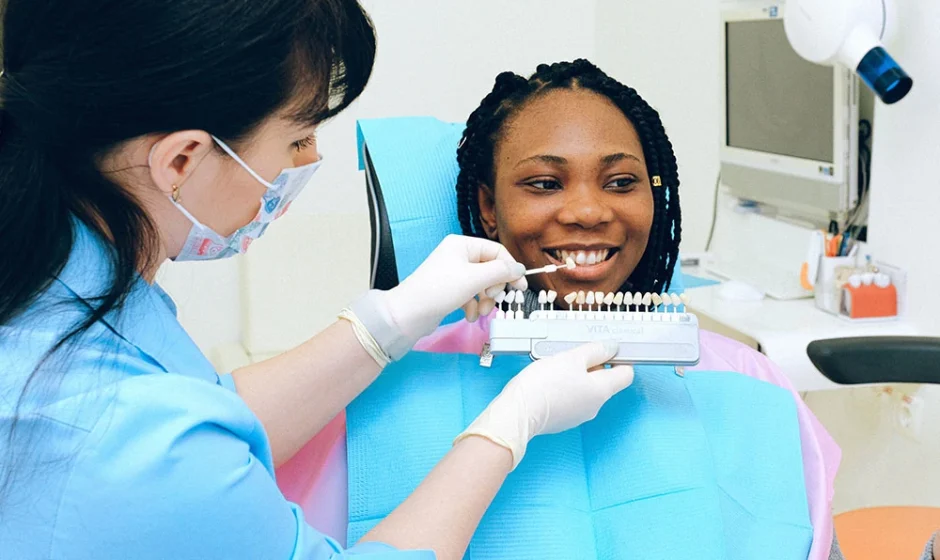
If you’re exploring treatment options locally, researching arch dental hillsboro or can help you find providers who offer full-arch implant solutions and learn more about what the process involves. During an initial consultation, a provider can assess your remaining teeth, jawbone, and overall oral health to determine whether full-arch implants are appropriate for you. This is also a good opportunity to discuss the expected treatment timeline, restoration options, and any preparatory procedures that may be needed before implant placement.
What Full-Arch Treatment Actually Replaces
This treatment is meant for patients missing all or nearly all of their teeth in either the upper or lower jaw, whether that’s from decay, gum disease, injury, or just years of tooth loss adding up over time. Rather than fitting a bridge or denture over what’s left, the whole arch gets rebuilt from the ground up, supported entirely by implants anchored in the jawbone instead of resting loosely on the gums.
How the Implants Support the New Teeth
A handful of implants, often four to six per arch, are placed into the jawbone and act as artificial roots holding everything together. Once they’re in place, a full prosthetic arch gets attached to them, creating one solid, fixed structure instead of individual replacement teeth scattered across the mouth. This is very different from getting one implant per missing tooth, which would mean far more implants, more surgery, and a much longer process overall.
Why It Works Even With Some Bone Loss
One of the reasons this treatment has become so popular is that it often works for patients who were told years ago they didn’t have enough bone for implants at all. Techniques like angled or tilted implant placement make better use of the bone that’s still there, and in a lot of cases that means skipping a separate bone graft altogether, which saves both time and money for the patient.
What You Get Back Functionally
Beyond just looking like a full set of teeth, this treatment restores a big chunk of your original bite force, often far more than dentures ever could manage on their own. Because the teeth are fixed rather than removable, there’s also no risk of them shifting or slipping while you eat or talk, which is one of the most common complaints people have with traditional dentures over the long run.
Conclusion
Full-arch implant treatment is really about giving people their bite, their confidence, and their daily routine back, not just filling in gaps in a smile. It takes some planning and a healing period, but for a lot of patients dealing with extensive tooth loss, it ends up being the most stable and long-lasting option on the table. A consultation with an experienced provider is the best way to see if it fits your specific situation and goals.