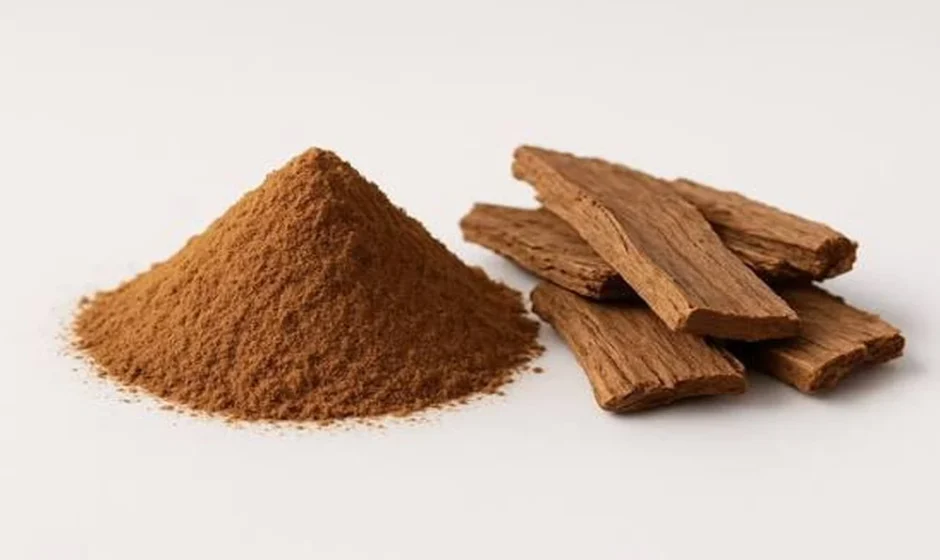

Among the thousands of botanical medicines documented in the Ayurvedic tradition, Terminalia arjuna occupies a position of particular distinction for one specific reason: its effects on the cardiovascular system are not merely anecdotal or theoretical but have been systematically investigated in clinical settings, and the results have repeatedly confirmed what traditional practitioners maintained for millennia. The bark of this large riparian tree, known across India as अर्जुन की छाल के फायदे, represents one of the most thoroughly studied and compelling examples of traditional medicine delivering outcomes that satisfy the demands of contemporary evidence-based practice.
The history of arjuna in Indian medicine is long and specific. Unlike many traditional botanicals whose historical use was broad and non-specific, arjuna was employed almost exclusively for cardiovascular conditions from its earliest documented appearances in medical texts. The Ashtanga Hridayam, one of the three principal texts of classical Ayurveda, describes arjuna as a specific medicine for heart disease, not as a general tonic – a degree of therapeutic specificity that is unusual in traditional medical systems and that anticipates the direction modern research has taken.
The Phytochemical Basis of Arjuna’s Cardiac Effects
Modern analysis of arjuna bark has identified the chemical classes responsible for its therapeutic properties with considerable precision. The cardiac glycosides – arjunetin and the arjunoside series – interact with myocardial tissue in ways that enhance contractile force without creating the narrow therapeutic window that makes pharmaceutical cardiac glycosides clinically hazardous. The flavonoids, particularly arjunone and luteolin, provide antioxidant protection to cardiac tissue and vascular endothelium, addressing the oxidative component of cardiovascular disease that is increasingly recognised as central rather than peripheral to its pathophysiology.
The bark’s tannin fraction contributes astringent properties that affect vascular tone, while its mineral content – notably calcium, magnesium, and zinc – supports the enzymatic processes involved in cardiac muscle function. The saponin fraction has been investigated for lipid-lowering effects. This multiplicity of active components, each contributing to cardiovascular health through different mechanisms, is what distinguishes arjuna bark from single-compound pharmaceutical interventions and may explain why it has proven difficult to replicate its effects with isolated constituents.
Clinical Applications and Evidence
The clinical evidence for अर्जुन छाल हृदय के लिए is more substantial than for most traditional botanicals. Randomised controlled trials have examined its effects in stable angina, hypertension, and congestive heart failure – three of the most prevalent and clinically significant cardiovascular conditions. The consistent finding across these studies is meaningful clinical benefit: reduced anginal frequency and improved exercise tolerance in angina patients; modest but consistent blood pressure reduction in hypertensive subjects; improved left ventricular ejection fraction and reduced symptoms in heart failure patients.
What is particularly noteworthy about the clinical research is that these benefits have been observed not only when arjuna is used alone but also when it is used adjunctively alongside conventional cardiac medications. This suggests that its mechanisms are complementary to rather than duplicative of pharmaceutical approaches, which has significant implications for its potential role in integrated cardiovascular care.
Preparation and Dosing
The preparation of arjuna bark for therapeutic use follows principles established in classical Ayurvedic pharmacy. The most traditional preparation – Arjuna Ksheerpaka – involves simmering the bark powder in milk, a method that exploits the fat-solubility of some active flavonoids that would be poorly extracted by water alone. The resulting preparation is consumed warm, typically once or twice daily, ideally on an empty stomach or at a time that avoids interference with food absorption.
Modern standardised extracts offer convenience and consistent dosing. When choosing a supplement, standardisation to arjunolic acid or total glycoside content provides assurance of active compound concentration. Typical supplementation doses range from 500 to 1000 mg of standardised extract taken twice daily, though therapeutic doses should ideally be determined in consultation with a qualified practitioner familiar with both Ayurvedic and conventional cardiovascular medicine.
Safety and Integration With Conventional Treatment
Arjuna bark’s safety profile is excellent under normal dosing conditions. Unlike pharmaceutical cardiac medications, it does not require regular blood level monitoring and does not accumulate to toxic concentrations in the way that digoxin, for example, can. The primary practical concern is potential additive effects when used alongside antihypertensive or anticoagulant medications – not because the interaction is dangerous per se, but because it may require adjustment of pharmaceutical doses to maintain blood pressure and coagulation parameters within optimal ranges. This type of integration is best managed under medical supervision.