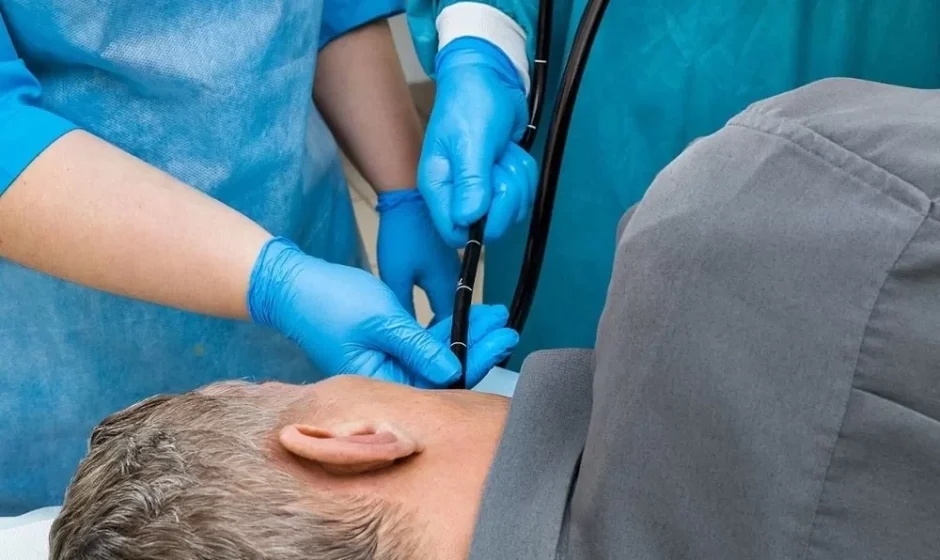

A gastroscopy is a commonly performed procedure used to examine the upper digestive tract, including the oesophagus, stomach, and duodenum. It can help doctors investigate symptoms such as persistent indigestion, abdominal discomfort, difficulty swallowing, unexplained weight loss, or suspected ulcers.
Although the procedure is generally straightforward, preparation and aftercare can affect both safety and the quality of the examination. Knowing what to avoid can make the experience smoother and help ensure that important findings are not missed.
1. Ignoring the Fasting Instructions
One of the most important preparation steps is fasting before a gastroscopy procedure. Food or liquid remaining in the stomach can interfere with the doctor’s view and may increase the risk of complications during sedation.
Follow the fasting instructions provided by your healthcare team carefully. Do not assume that small snacks, chewing gum, or drinks are acceptable unless your medical team has specifically confirmed this.
2. Failing to Disclose Your Medications
Another common mistake is not telling your doctor about all medications, supplements, and herbal products you take. Some medicines may affect bleeding risk, blood sugar levels, or the way sedation works.
Before your diagnostic gastroscopy, provide an accurate medication list. Your doctor can then advise whether any medication needs to be temporarily adjusted or taken differently before the procedure.
3. Not Mentioning Existing Medical Conditions
Your healthcare provider needs to know about relevant medical conditions before the procedure. Conditions affecting the heart, lungs, blood clotting, or other aspects of your health may influence preparation and sedation decisions.
Do not assume that information from previous appointments is automatically available. Confirm your medical history and mention any recent changes in your health.
4. Eating Too Soon Before the Procedure
Fasting instructions are provided for a specific reason, so eating earlier than permitted can create unnecessary problems. Even if you feel hungry, avoid breaking the fasting period.
If you accidentally eat or drink something outside the permitted guidelines, tell the medical team before the procedure. They can determine whether it is safe to continue or whether the appointment needs to be adjusted.
5. Arriving Without a Suitable Escort
If sedation is planned, you may temporarily experience drowsiness, slower reactions, or impaired concentration afterward. Driving yourself home or travelling alone may therefore be unsafe.
Arrange transportation and follow the clinic’s instructions about having a responsible adult accompany you. Do not make important decisions or operate machinery until the effects of sedation have completely worn off.
6. Forgetting to Ask About the Procedure
Uncertainty can make a medical procedure feel more stressful than necessary. Some patients avoid asking questions because they believe they should already understand what will happen.
Before a gastroscopy, ask your healthcare provider about fasting, sedation, expected duration, recovery, medications, and when you can resume normal eating and activities. Understanding the process can help you prepare appropriately.
7. Resuming Normal Activities Too Quickly
After sedation, you may feel tired or less alert even if you otherwise feel well. Returning immediately to work, driving, exercising, or other demanding activities may not be advisable. Follow the discharge instructions provided by your healthcare team. Give yourself enough time to recover and arrange your schedule around the recommended recovery period.
8. Ignoring Symptoms Afterward
Mild bloating, a sore throat, or temporary discomfort can occur after a gastroscopy and often settles relatively quickly. However, some symptoms require medical attention.
Contact your healthcare provider if you develop severe or worsening abdominal pain, persistent vomiting, significant bleeding, difficulty breathing, fever, or other concerning symptoms after the procedure.
9. Assuming Every Result Is Immediately Final
During the examination, your doctor may be able to identify visible abnormalities. However, some findings require additional laboratory analysis, particularly when tissue samples or biopsies are taken.
Ask when and how you will receive your results. Understanding which findings are available immediately and which require further testing can prevent unnecessary anxiety or confusion.
How to Prepare for a Smoother Experience
Good preparation begins before arriving at the clinic. Read the instructions carefully, clarify anything you do not understand, provide complete medical information, and arrange transportation if sedation is involved.
Most importantly, follow your healthcare provider’s individual recommendations rather than relying on general advice from friends or online sources. Preparation requirements can vary depending on your health, medications, and the reason for the procedure.
Conclusion
A gastroscopy is an important diagnostic tool for investigating problems affecting the upper digestive tract. Avoiding common preparation and aftercare mistakes can help make the procedure safer and more efficient.
If you are scheduled for a gastroscopy, follow your healthcare provider’s instructions closely and speak up if you are unsure about fasting, medications, sedation, or recovery. Being well prepared can give you greater confidence and support appropriate medical care.