
PAD is noted to be silent with signs and symptoms emerging as one starts the process of exercise. The identification of these warning signs early enables patients to seek treatment before the ailment becomes worse. This guide describes the early signs indicating the necessity in pad treatment san antonio. Timely diagnosis will allow more positive results and avoid serious complications.
Early warning signs of peripheral artery disease that should not be ignored
Leg pain during physical activity
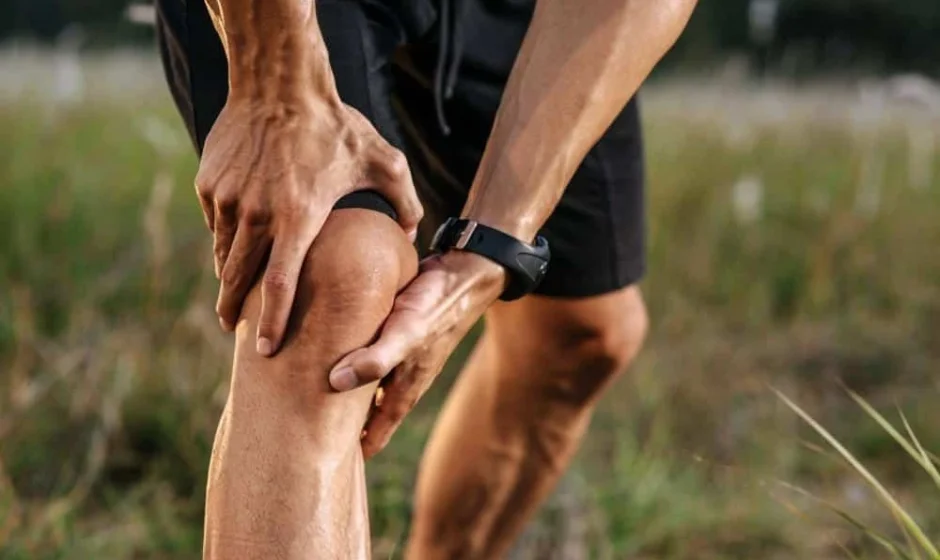
The most common initial symptom of PAD is leg pain during physical activities or walking and goes away with rest. Such a condition is known as intermittent claudication, which usually occurs in the calf muscles though can be experienced in the thighs or buttocks. The pain is caused by the decreased supply of blood to muscles of the legs due to increased oxygen demands of muscles met during physical activity. The main symptoms to look out in relation to the leg pains are:
- Pain during walking or climbing: A cramping pain in the calves, thighs, or buttocks, which starts with exercise and stops with rest.
- Pain in one or both legs: The pain can be either in one or both legs at the time of exercise.
- Numbness or weakness felt: Weakness of the leg muscles or feeling of numbness in the leg muscles during movement.
Skin and nail changes in the lower legs
Good circulation can be poor due to PAD, which is indicated by a change in the skin and nails on the feet and legs. The skin can be shiny or palish, or bluish in color. Other typical signs of decreased blood flow include hair loss on the legs and brittle and slowly growing toenails. Changes to monitor skin and nails include:
- Shiny or tight-looking skin: The skin on lower legs might acquire a glossy look and become thin and stretched with time.
- Color changes to pale or blue: The skin can change to paler than normal or become bluish because of the lack of oxygen.
- Hair loss on legs and feet: Poor circulation may result in reduced hair growth on the legs and losses of hair on the legs and feet.
- Brittle and slow-growing nails: Toenails which grow slowly, become thick or are split can be a sign of poor circulation to the extremities.
Coldness and temperature differences
It is possible that one leg or foot will be relatively colder than the other even in a hot place. The existence of this temperature difference in the body means that there is less blood flow to the affected limb. Any continuous coolness of the lower leg or foot should be observed by patients. Temperature-related symptoms include:
- One leg is colder than the other: There is a high degree of difference in temperature between the legs, even within a warm room.
- Cold feet in warm rooms: Cold feet even in hot rooms, and it is a sign of low blood circulation to the lower body.
- Worse at night time: The coldness can be intensified in the position of a lying down and because the activity is minimized, it influences the blood circulation.
Conclusion
One of the early signs of PAD is leg pain during activity, changes in skin, temperature variations, and uninfected wounds. These symptoms cannot be overlooked because they are usually aging. A vein clinic is a medical clinic that focuses on the diagnosis and treatment. Early detection of these symptoms is better and results in avoiding critical complications.