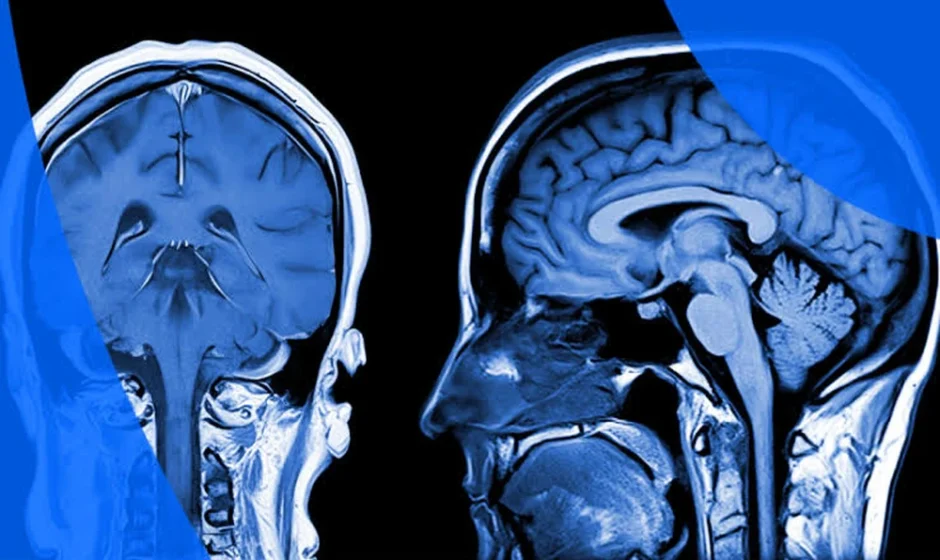

Getting an MRI report back can feel like reading a different language. Radiologists write these reports for referring physicians, not patients, which means the terminology can sound alarming even when the findings are minor or completely normal. Many patients search their symptoms and report language online before their follow-up appointment, which can create unnecessary worry long before a doctor has a chance to put the findings in context.
Understanding the basic structure of an MRI report, and knowing which words tend to cause unnecessary worry, can help patients make sense of their results before their next doctor’s appointment.
Understanding the Basic Structure of an MRI Report
Most MRI reports follow a predictable format. The report typically opens with clinical history, a brief note on why the scan was ordered, followed by the technique section describing how the imaging was performed. The findings section is the longest part, walking through what the radiologist observed in each area scanned. Finally, the impression section summarizes the most important findings in a condensed form.
Patients who feel overwhelmed by the full findings section can often get a clearer sense of the overall picture by reading the impression first, since a patient-friendly MRI center will typically structure this section to highlight what matters most.
Common Terms That Sound Worse Than They Are
Certain words in MRI reports tend to cause disproportionate anxiety. Degenerative changes simply describes normal wear that develops with age and appears in the vast majority of adults over a certain age, even those without any pain. A bulging disc is different from a herniated disc, and is often a normal finding rather than a serious injury.
Mild or minimal findings generally indicate something that is not clinically significant on its own. Learning to distinguish between findings that describe normal aging and findings that indicate an actual problem requiring treatment is one of the most useful skills for interpreting a report accurately.
Even the word abnormality, which sounds serious out of context, often simply means the finding differs slightly from a textbook example rather than pointing to disease. Radiologists are often being thorough rather than alarming, since a complete report is expected to note even trivial findings.
What to Pay Closer Attention To
While many findings are minor, certain terms do warrant a closer conversation with your doctor. Words like severe, significant, or acute suggest findings the radiologist considers clinically important. Any mention of nerve root compression, spinal cord involvement, or a complete tear, rather than a partial tear, typically points to something requiring active treatment rather than routine monitoring.
If a report includes a recommendation for follow-up imaging or referral to a specialist, that recommendation should not be overlooked, even if the rest of the report reads as relatively mild. Comparison language, such as a note that a finding has progressed since a prior scan, is also worth flagging, since it suggests the radiologist is tracking a change over time rather than describing a stable, longstanding issue.
How to Talk to Your Doctor About Your Results
Bringing specific questions to your follow-up appointment makes the conversation far more productive than simply asking whether the results were bad. Ask your doctor to explain any term you do not understand in plain language, and ask specifically how the findings relate to the symptoms you are actually experiencing.
It is also reasonable to ask whether the finding described is common for someone your age, since many results that sound concerning in isolation are extremely common and not the source of your pain. Writing your questions down beforehand helps, since it is easy to forget them once the appointment is underway and the conversation moves quickly.
When a Second Opinion or Different Scan Type Makes Sense
Sometimes a report comes back essentially normal despite persistent, significant symptoms, which can be frustrating for patients seeking answers. In these cases, it may be worth discussing whether a different type of scan, such as one that images the body in a weight-bearing or symptomatic position, could reveal something a standard scan missed. This is particularly relevant for joint and spine complaints, where pain sometimes only appears under load.
A knee injury, for example, may look different on imaging depending on whether the joint is scanned at rest or under the kind of pressure that triggers your symptoms. Bringing this possibility up with your doctor, rather than assuming a normal report means nothing further can be done, keeps the door open for a more accurate diagnosis.
Conclusion
An MRI report can look intimidating, but most of the language inside it is more routine than it sounds, and learning to recognize a handful of common terms goes a long way toward reducing unnecessary worry. Reading the impression section first, understanding which words indicate something actionable, and preparing specific questions for your doctor all make the results easier to process.
If your symptoms do not match what a standard report shows, it may be worth asking your provider about imaging options such as MRI knee scan services that capture the joint under the conditions that actually reproduce your pain.
━━━ PART 3