
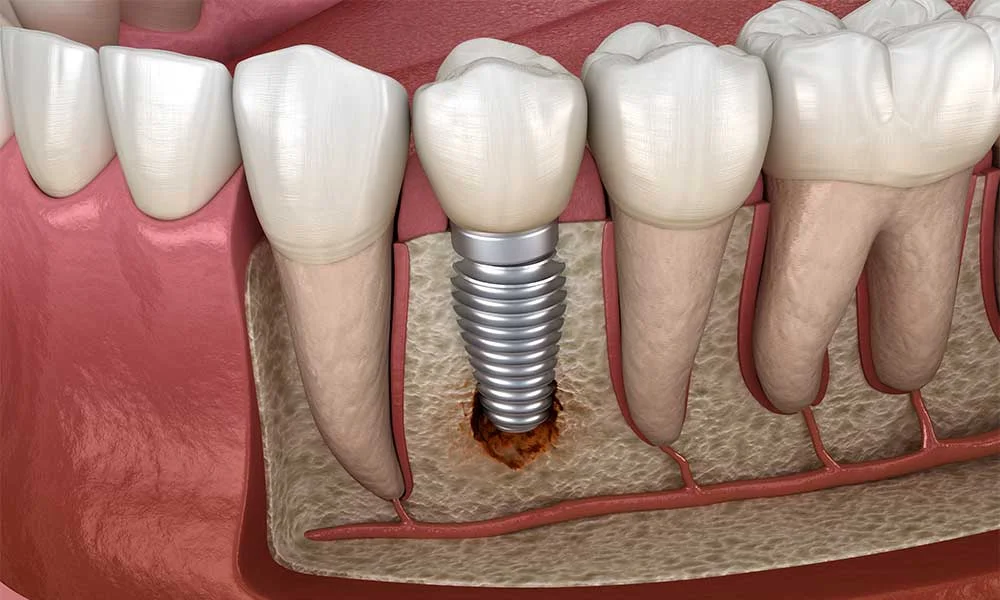

Dental implants are small, screw-like posts that replace missing teeth through surgery. They not only fill the gaps in your smile but also help improve chewing and overall oral health. Once healed, dental implants work and feel just like natural teeth.
A dental implant has three main parts:
- Threaded post: Acts as an artificial tooth root and is placed into the jawbone during surgery.
- Abutment: A small connector that attaches to the post and supports the new tooth.
- Restoration: The visible replacement tooth, such as a crown, bridge, or denture.
Most implants are made from titanium or ceramic, both safe materials that bond well with the body. Missing teeth can affect not just your oral health but also your confidence. Dental implants can help restore your smile and self-esteem so you can eat, talk, and laugh freely again.
Why Dental Implants Are Used
Implants replace missing teeth lost due to cavities, gum disease, cracked teeth, or conditions like teeth grinding or anodontia (when teeth never form). In the U.S., over 3 million dental implants are placed every year, making them a very common treatment.
The Dental Implant Process
The process varies from person to person, but generally includes three stages:
- Implant placement: The surgeon numbs your gums, makes a small incision, and carefully places the implant in your jawbone.
- Healing (osseointegration): Over the next three to nine months, the bone fuses with the implant to make it stable.
- Final restoration: Once healed, your dentist attaches the abutment and your permanent crown, bridge, or denture.
If your implant is in a visible area, you may get a temporary tooth while your mouth heals. The full recovery time depends on how quickly your body heals.
Pain and Recovery
You won’t feel pain during the procedure because anesthesia is used. After surgery, mild swelling or soreness is normal and can be managed with pain relievers. Initial healing takes about a week, but full recovery may take a few months.
Benefits of Dental Implants
Dental implants offer many advantages, including:
- Better chewing ability and speech.
- A natural-looking smile.
- Jawbone preservation.
- Long lifespan—implants can last a lifetime with good care.
- No need to alter nearby healthy teeth, unlike dental bridges.
Risks and Complications
Complications are rare but may include infection, delayed healing, nerve or sinus damage, or jaw fractures. Titanium allergies are extremely uncommon, and ceramic implants can be used instead. Choosing an experienced dentist minimizes these risks.
Who Can Get Dental Implants?
Most adults over 18 with healthy gums and enough jawbone can get implants. They may not be suitable for people who smoke, have gum disease, poor oral hygiene, or certain medical conditions. Your dentist will evaluate your case to decide if implants are right for you.
Summary
Dental implants are a safe and long-lasting solution for missing teeth. With proper care, they can last a lifetime and restore both function and confidence. If you’re considering implants, consult your dentist to learn whether this treatment is the best choice for you.

