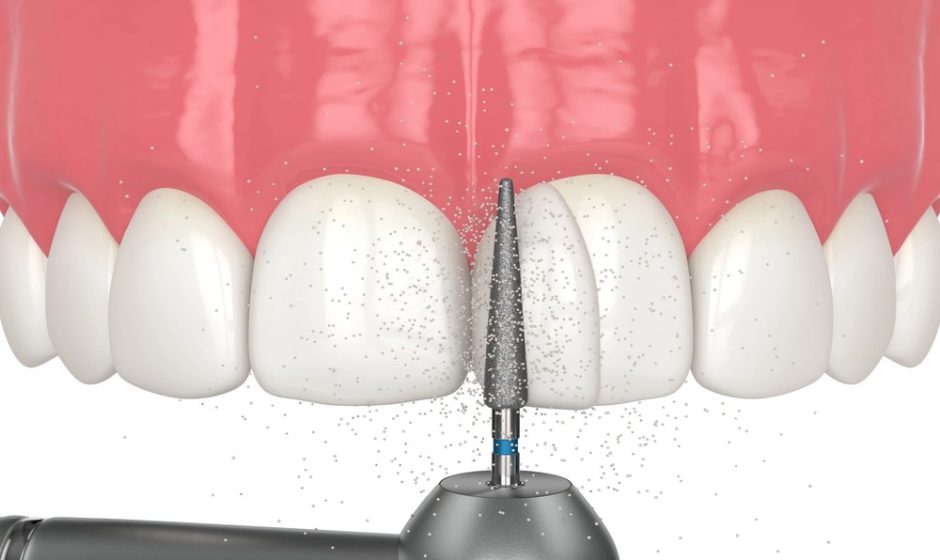

Teeth bonding is a common cosmetic dental procedure that improves the appearance of teeth in a simple, cost-effective way. It involves applying a tooth-coloured resin to the tooth surface and shaping it to correct minor imperfections. The material is then hardened using a special light, allowing it to bond securely to the natural tooth. This procedure is quick, painless, and usually completed in a single dental visit.
Unlike more complex treatments, teeth bonding does not require major alterations to the natural tooth structure. This makes it a popular choice for people looking for subtle improvements without undergoing lengthy procedures. The resin used in bonding is carefully selected to match the natural shade of the patient’s teeth, ensuring a smooth and natural-looking result.
How Teeth Bonding Works
The process of teeth bonding is straightforward. First, the dentist prepares the tooth by slightly roughening its surface and applying a conditioning liquid. This helps the bonding material stick properly. Next, the tooth-coloured resin is applied, moulded, and shaped according to the desired look. Once the dentist is satisfied with the shape, a curing light is used to harden the material. Finally, the bonded area is polished to match the shine of the surrounding teeth.
Since the procedure is minimally invasive, anaesthesia is usually not required unless bonding is being used to fill a decayed tooth. The entire process typically takes about 30 to 60 minutes per tooth.
When Is Teeth Bonding Recommended?
Teeth bonding is recommended in several situations where minor cosmetic or structural improvements are needed. It is often used to fix chipped or cracked teeth. Small gaps between teeth can also be closed using bonding, offering a quick alternative to orthodontic treatments in certain cases.
It is also helpful for improving the appearance of discoloured teeth that do not respond well to whitening treatments. In addition, bonding can be used to change the shape or length of teeth, making them appear more even and balanced.
Dentists may also recommend bonding to protect exposed tooth roots caused by gum recession. In such cases, the resin acts as a protective layer, reducing sensitivity and preventing further damage.
Advantages of Teeth Bonding
One of the biggest advantages of teeth bonding is its affordability compared to other cosmetic dental procedures like veneers or crowns. It is also a fast treatment, often completed in a single appointment. The procedure is painless and requires minimal preparation, making it suitable for many patients.
Another benefit is that bonding preserves most of the natural tooth structure. Unlike other treatments that may require enamel removal, bonding is less invasive and can sometimes be reversed if needed.
Limitations to Consider
While teeth bonding offers many benefits, it is not as durable as other restorative options. The resin material can chip or stain over time, especially if the patient consumes staining foods or has habits like nail-biting. Regular dental care and avoiding harmful habits can help extend its lifespan.
Conclusion
Teeth bonding is an effective and simple solution for improving minor dental imperfections. It is best suited for individuals looking for quick, affordable, and natural-looking results. By understanding when it is recommended and what it involves, patients can decide if teeth bonding is the right option for their dental needs.