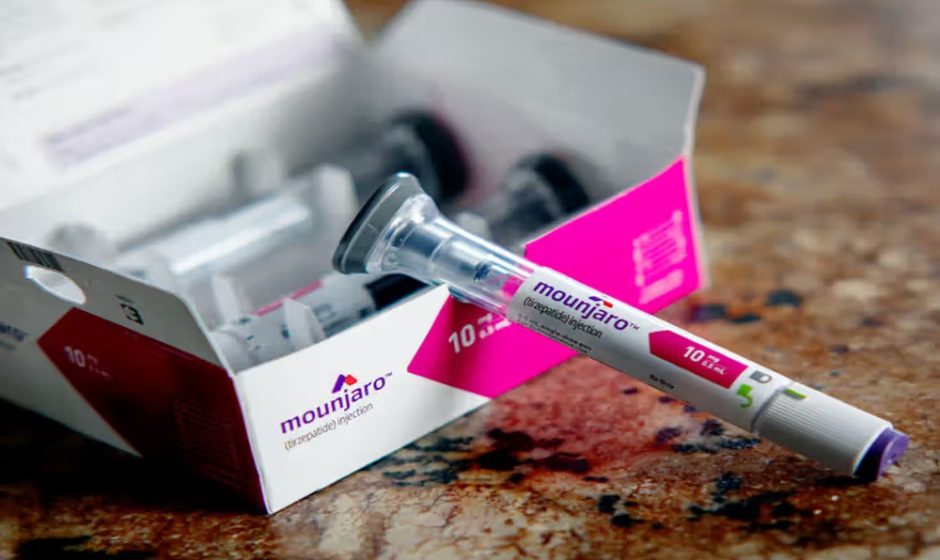

Getting prescribed Mounjaro in the UK is not straightforward. It follows a clinical process, and a doctor or prescriber decides based on what is documented in a patient’s medical history, not on what the patient feels they need. There are two routes into eligibility, one tied to type 2 diabetes and one tied to weight, and neither works without proper clinical evidence behind it.
For type 2 diabetes, the qualifying point is not just having the diagnosis. It is having the diagnosis alongside proof that the existing treatment is not working well enough. Patient blood glucose levels that remain outside the target range despite current medication indicate a clinical gap, which opens the door to Mounjaro. It gives prescribers a clear way of assessing where a patient sits and how dose progression looks within a treatment pathway with the Mounjaro click chart.
Weight-related eligibility runs on a separate track. A BMI at or above the defined threshold is the entry point, but it does not stand alone. There must also be a health condition that excess weight is directly contributing to. A condition such as hypertension, type 2 diabetes, or sleep apnea might be a contributing factor. It is necessary to confirm both the BMI figure and the condition linked to it. The requirement cannot be met without both.
What criteria decide eligibility?
- BMI at or above 35 is the standard qualifying figure, though certain ethnic groups have a lower applicable threshold where metabolic risk appears at reduced weight levels.
- A documented comorbidity linked to excess weight must sit alongside the BMI figure for the weight management pathway to apply.
- Suboptimal glycaemic control on existing medication must be evidenced for type 2 diabetes patients before Mounjaro is considered as a treatment option.
- Prior treatment attempts need to be on record, confirming that earlier clinical options were genuinely used rather than bypassed.
What conditions rule a patient out?
Type 1 diabetes does not qualify under any circumstances. The medication is not indicated for type 1 patients, and that boundary does not shift based on individual case factors. Pregnancy is another firm line. A patient who is pregnant or planning to become pregnant falls outside eligibility under current UK prescribing guidance, whatever else their clinical picture shows. Personal or family history of medullary thyroid carcinoma is flagged during assessment and can affect suitability depending on what that history contains.
Pancreatitis history introduces a more layered review rather than an outright block in every case, but it does slow the eligibility process and may affect the final prescribing decision. Severe impairment of kidney or liver function is also assessed, and where it is significant, it can affect whether Mounjaro is considered appropriate even when the primary qualifying condition is confirmed.
Patients with layered or complex health histories may be referred to a specialist before a prescription decision is made at the general practice level. This is not a refusal. It is an additional clinical layer that some presentations require before eligibility is confirmed. Meeting one qualifying condition is rarely enough on its own. Prescribers look at the whole clinical record, and that complete picture is what the eligibility decision is built from.