

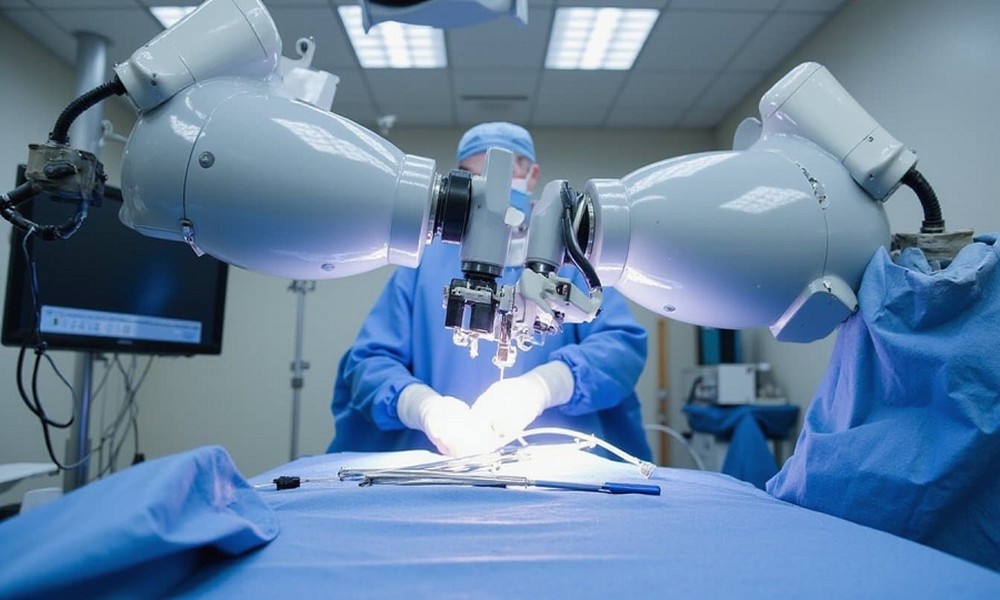
In the global race for medical excellence, the integration of advanced technology has become a primary differentiator. Nowhere is this more evident than in the Middle East, where the healthcare landscape is being rapidly reshaped by the “digital scalpel.” Specifically, Robotic surgery has transitioned from an experimental novelty to a gold standard of care across several high-impact specialties. Today, the hospitals in Dubai are at the vanguard of this surgical revolution, offering patients access to precision-driven procedures that were once considered the realm of science fiction.
The shift toward robotic-assisted platforms, such as the da Vinci Xi and the Versius systems, is not merely about using a robot; it is about extending the human surgeon’s capabilities. By providing 3D high-definition visualization, tremor filtration, and wristed instruments with a greater range of motion than the human hand, these systems allow for ultra-precise interventions through incisions less than a centimeter wide.
The Pillars of Precision: Key Specialties Using Robotics
The versatility of robotic platforms allows them to be deployed across a wide range of medical disciplines.In the most advanced hospitals in Dubai, this technology is currently making the most significant impact in the following four areas:
1. Urology: The Gold Standard for Prostate and Kidney Care
Urology was the first specialty to widely adopt robotic technology, and it remains its most robust application.
- Prostatectomy: Robotic-assisted radical prostatectomy is the preferred method for treating localized prostate cancer. The robot’s precision is vital for sparing the delicate nerves and blood vessels responsible for urinary control and sexual function.
- Nephrectomy: Surgeons use the robot to perform partial nephrectomies, where only the tumor is removed while the healthy part of the kidney is preserved. This “nephron-sparing” approach is critical for long-term renal health.
- Reconstructive Surgery: Complex procedures like pyeloplasty (correcting a blockage in the urinary tract) benefit from the robot’s superior suturing capabilities in deep, narrow spaces.
2. Gynecology: Enhancing Women’s Health
For women requiring surgery for benign or malignant conditions, robotic assistance offers a path to recovery that traditional open surgery cannot match.
- Hysterectomy and Myomectomy: The removal of the uterus or fibroids is now commonly performed robotically. This approach is particularly beneficial for women with large fibroids or complex adhesions from previous surgeries, as it allows for meticulous dissection with minimal blood loss.
- Endometriosis Excision: Robotic systems allow surgeons to see and remove deeply infiltrating endometriosis lesions that might be missed during standard laparoscopy.
- Pelvic Organ Prolapse: Robotic sacrocolpopexy is considered the most effective way to repair pelvic prolapse, providing durable results with much smaller incisions.
3. General and Bariatric Surgery: Expanding Boundaries
General surgeons in the best hospitals in Dubai are increasingly utilizing robotics for abdominal and gastrointestinal procedures that traditionally required large, painful incisions.
- Colorectal Surgery: For colon and rectal cancers, the robot provides the dexterity needed to work within the confines of the bony pelvis, leading to better oncological outcomes and faster bowel function recovery.
- Complex Hernia Repair: Robotic platforms allow for “pre-peritoneal” mesh placement, which protects the abdominal wall and significantly reduces the risk of hernia recurrence and chronic post-operative pain.
- Weight Loss Surgery: In bariatric procedures like gastric bypass, the robot’s precision helps in creating secure anastomoses (connections between organs), reducing the risk of leaks.
4. Orthopedics: The New Frontier of Joint Replacement
The latest evolution in the region involves robotic-assisted joint replacements.Unlike “automated” robots, these are surgeon-controlled tools that use a patient’s unique 3D CT data to plan the perfect bone cut and implant alignment. This level of personalization ensures that a knee or hip replacement feels more “natural” and lasts longer.
Why Dubai Has Become a Hub for Robotic Excellence
The rise of robotic-assisted surgery in the UAE is supported by a robust infrastructure that combines government vision with private sector investment. Several factors contribute to why patients are increasingly choosing hospitals in Dubai for these procedures:
|
Factor |
Description |
|
Western-Trained Expertise |
Many robotic surgeons in Dubai are American or European board-certified, having performed thousands of robotic cases in leading global centers. |
|
Centers of Excellence |
Leading facilities have established dedicated “Robotic Centers,” which undergo rigorous international accreditation to ensure safety and quality standards. |
|
Medical Tourism Hub |
Dubai’s strategic location and streamlined medical visa processes make it a top choice for international patients seeking high-tech surgery paired with luxury recovery. |
|
Integrated Care |
Post-operative recovery is often supported by AI-driven monitoring and world-class physiotherapy, ensuring the surgery’s success translates into long-term wellness. |
Tangible Patient Benefits: Beyond the Technology
The “reach” of robotic surgery is ultimately measured by patient outcomes. When compared to traditional “open” surgery, the benefits recorded in leading hospitals in Dubai are consistent:
- Reduced Blood Loss: The precision of robotic instruments minimizes damage to surrounding blood vessels, often making blood transfusions unnecessary.Lower Infection Risk: Smaller incisions mean less exposure to the environment, significantly lowering the risk of surgical site infections-a major concern in complex surgeries.
- Faster Return to Life: Patients who undergo robotic colorectal or urological surgery often leave the hospital within 24 to 48 hours, compared to 5-7 days for open procedures.
- Minimal Scarring: The “keyhole” incisions used in robotic surgery result in superior cosmetic outcomes, which is an important psychological factor for many patients.
Looking Ahead: The Role of AI and Telesurgery
The future of Robotic surgery in the region is moving toward the integration of Artificial Intelligence (AI). AI algorithms are beginning to assist surgeons by providing real-time data overlays and “predictive” guidance during complex maneuvers. Furthermore, the development of 5G-enabled telesurgery may soon allow world-renowned experts in Dubai to assist in operations occurring in remote locations, truly bridging the gap in global healthcare access.
As hospitals in Dubai continue to invest in the latest generations of robotic platforms and specialized training, the city is cementing its reputation as a global leader in surgical innovation. For patients, this means that the most complex medical challenges can now be met with a level of precision and safety that was previously unattainable.



More Stories
Alcohol Detox Mission Viejo: How to Choose the Right Care
Best Place to Buy Research Peptides Online Without Risk
Taking Control of Stomach Cancer Treatment