
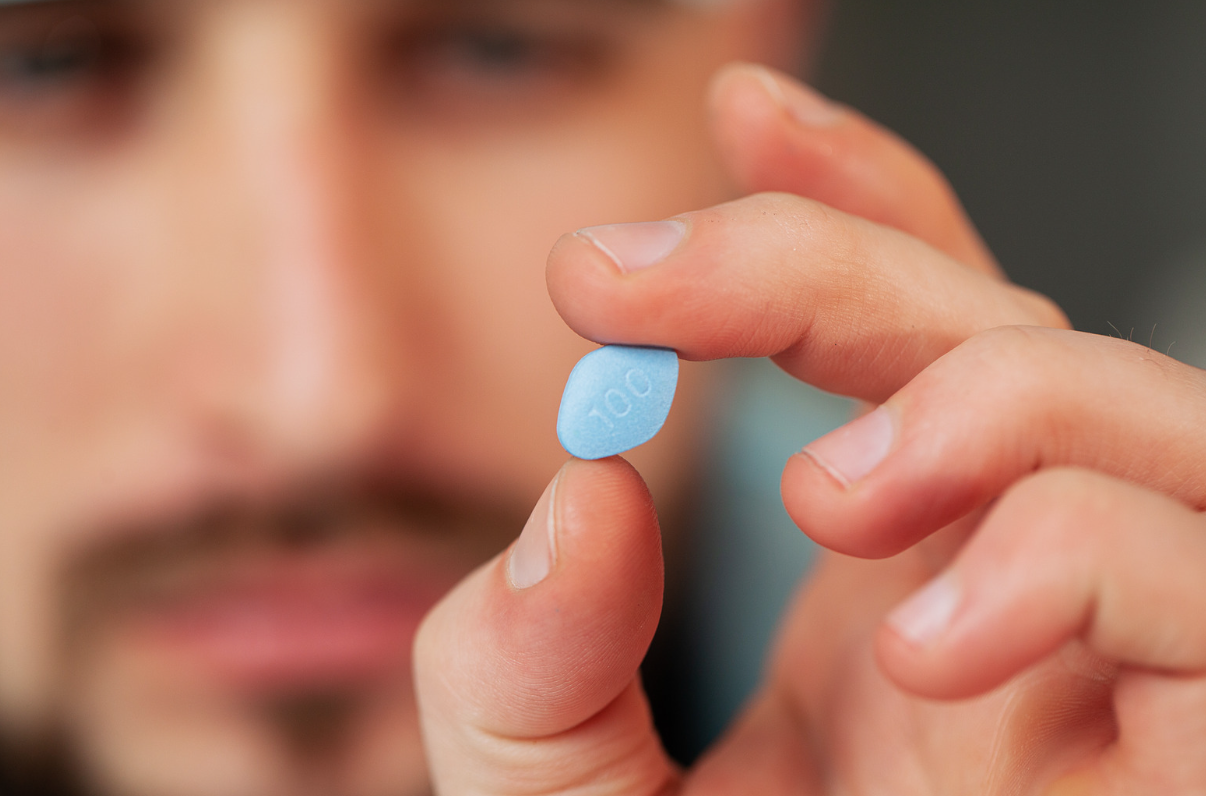

As sildenafil has become more accessible and widely discussed, a common concern has emerged among users: can you become psychologically dependent on it? While sildenafil is not physically addictive, the psychological dimension of its use deserves careful attention. Understanding the difference between healthy use, emotional reliance, and perceived dependence helps men approach the medication with clarity and confidence.
What Psychological Dependence Really Means
Psychological dependence does not involve chemical addiction or withdrawal symptoms. Instead, it refers to a mental or emotional reliance on a substance to feel confident, secure, or capable. In the context of sildenafil, this might mean believing that satisfactory sexual performance is impossible without the medication — even when the body might be capable on its own.
This concern is particularly relevant for men who have experienced repeated episodes of erectile difficulty. When erections feel unreliable, confidence can drop quickly. In these cases, sildenafil may initially act as both a physical aid and a psychological safety net.
Why Sildenafil Can Affect Confidence So Strongly
Sexual performance is closely tied to self-esteem and identity for many men. A few unsuccessful experiences can create anxiety, fear of failure, and avoidance of intimacy. When sildenafil successfully restores erection firmness, it often brings immediate relief — not only physically, but emotionally.
This relief can be profound, especially for men who have struggled with inconsistent erections or what they describe as Erezione Debole. The medication provides reassurance: “I know it will work.” Over time, however, this reassurance can shift into a belief that sex without sildenafil is risky or doomed to fail.
Is This Dependence Harmful?
Not necessarily. Psychological reliance becomes problematic only when it limits flexibility, increases anxiety, or prevents men from recognizing improvements in their natural sexual function.
For example, a man who chooses to use sildenafil for convenience or reliability is not dependent. But a man who avoids intimacy entirely unless sildenafil is available — despite being physically capable — may be experiencing psychological dependence.
It is important to distinguish between preference and fear-based reliance.
Who Is More Prone to Psychological Dependence?
Certain factors increase the likelihood of psychological reliance:
- Past Experiences Of Repeated Erectile Failure
- High Performance Anxiety
- Perfectionism Or Fear Of Disappointing A Partner
- Lack Of Open Communication In Relationships
- Using Sildenafil Without Addressing Lifestyle Or Emotional Factors
Men who start sildenafil during periods of stress, burnout, or relationship tension may associate the medication with emotional safety rather than physical support alone.
The Role of Anxiety and Anticipation
Anxiety plays a central role in erection quality. The fear of losing an erection can trigger the very response that causes it. Sildenafil often breaks this cycle by restoring confidence. However, if anxiety is never addressed directly, the medication may become a crutch rather than a bridge toward recovery.
In these cases, the dependence is not on sildenafil itself, but on the certainty it provides. This is why some men report difficulty achieving erections without medication even after physical health improves.
Sildenafil Does Not Create Physical Addiction
It is important to clarify a common misconception: sildenafil does not alter brain chemistry in a way that causes addiction. There is no tolerance build-up that forces higher doses for the same effect, and there are no withdrawal symptoms when stopping.
If a man feels that sildenafil has “stopped working,” the cause is almost always psychological factors, progression of an underlying condition, or lifestyle changes — not chemical dependence.
Can Psychological Dependence Be Prevented?
Yes, and prevention often begins with mindset and education.
1. Reframe sildenafil as support, not a solution
Viewing the medication as assistance rather than necessity reduces emotional reliance.
2. Address underlying causes
Lifestyle changes, stress management, therapy, and relationship communication all reduce dependence risk.
3. Avoid unnecessary escalation
Using higher doses than needed can reinforce the idea that erections require strong intervention.
4. Normalize variability
Occasional erectile inconsistency is normal and does not indicate failure.
Using Sildenafil as a Confidence Builder — Not a Crutch
When used thoughtfully, sildenafil can actually reduce psychological dependence over time. Successful experiences rebuild trust in the body, lower anxiety, and restore natural response. Many men find that after a period of consistent positive experiences, they can reduce use or rely on it only occasionally.
This is especially true when sildenafil is combined with healthy habits such as exercise, improved sleep, reduced alcohol consumption, and stress reduction.
The Partner’s Role in Psychological Dependence
Partner dynamics matter greatly. If a partner views sildenafil negatively or ties its use to judgment, shame may increase. Conversely, open communication and emotional support reduce pressure and reliance.
When sex becomes about connection rather than performance, erections often become more spontaneous and less medication-dependent.
When to Seek Support
If a man feels anxious at the thought of sex without sildenafil, avoids intimacy without it, or experiences rising stress despite physical capability, speaking with a healthcare provider or therapist can be helpful. These conversations are not about stopping medication — they are about restoring autonomy and confidence.
Cognitive-behavioral therapy, sex therapy, or counseling can be especially effective in addressing performance anxiety and reframing beliefs around sexual function.
Dosage and Psychological Perception
Higher doses may increase psychological reliance by reinforcing the belief that strong intervention is required. For some men, being prescribed Sildenafil 100mg early without gradual adjustment can contribute to this perception. Proper dosing strategy and medical guidance help maintain balance.
Final Thoughts
Psychological dependence on sildenafil is not inevitable, nor is it a sign of weakness. It is a natural response to fear, uncertainty, and past negative experiences. When understood and managed properly, sildenafil can serve as a temporary support that restores confidence — not something that replaces natural sexual ability.
The key lies in awareness. When men combine medication with lifestyle improvement, emotional work, and open communication, sildenafil becomes a tool — not a requirement. Used in this way, it supports sexual health while preserving independence, confidence, and long-term wellbeing.

