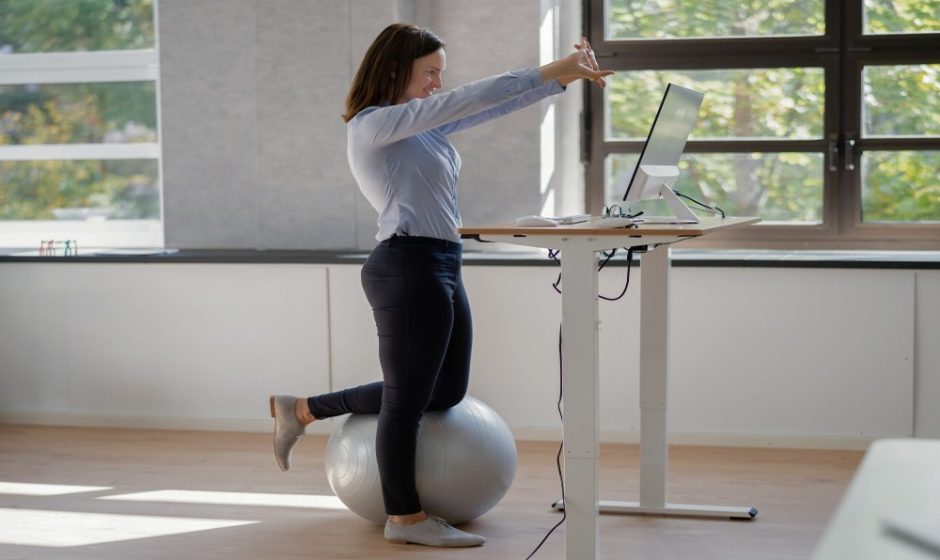

Workplace musculoskeletal initiatives for desk-bound staff have moved from a fringe concern to a mainstream employer priority in Singapore over the past decade, driven by data that is difficult to ignore. Lower back pain is now among the most commonly reported reasons for medical leave in Singapore’s office workforce. Neck and shoulder conditions follow closely behind. These are not acute injuries sustained in accidents. They are chronic conditions that develop over months and years of sustained posture that places repeated, low-level mechanical stress on joints, discs, and soft tissue. And they are largely preventable.
What Desk Work Actually Does to the Body
Understanding why desk-bound work produces musculoskeletal problems is the starting point for any effective workplace initiative. The human body is designed for movement. Sustained static posture, particularly in the forward-flexed position that characterises most desk workers’ habitual seated position, produces several predictable effects:
The hip flexors shorten and tighten, placing anterior pelvic tilt and increased lumbar lordosis under sustained load. The thoracic spine rounds forward under the weight of the head and shoulders. The deep cervical flexors weaken as the superficial muscles compensate. The rotator cuff muscles fatigue from sustained forward shoulder positioning. None of these is catastrophic in isolation. Accumulated across a working year, they produce the conditions that present in clinicians’ rooms across Singapore every day.
The Role of Chiropractic Assessment
Workplace musculoskeletal initiatives for desk-bound staff built around chiropractic assessment are more effective than generic wellness programmes because the assessment component identifies what is actually happening in each employee’s body rather than offering generalised advice based on what typically happens.
A chiropractor assessing a desk worker evaluates posture, joint mobility, soft tissue tension, and neurological function. The findings are specific to the individual. The recommendations, whether for ergonomic adjustment, targeted exercise, or clinical treatment, are calibrated to what the assessment reveals rather than to a general protocol applied without variation.
Programme Components
Effective musculoskeletal initiatives for office teams typically include several components working in combination:
- Individual postural assessments for each participating employee
- Workstation ergonomics reviews tied to the clinical assessment findings
- Group education sessions on movement, posture, and self-management strategies
- Clinical treatment access for employees whose assessments reveal conditions requiring intervention
- Follow-up assessment after an interval to measure change and refine the approach
The combination of education, environment modification, and clinical care produces results that any one component in isolation cannot achieve.
“The health of our people is our most precious resource,” Lee Kuan Yew observed in reflecting on Singapore’s investment in public health infrastructure. For employers, this translates directly: a workforce that is physically well is a workforce that can sustain high performance. Investment in musculoskeletal health is investment in that capacity.
Measuring the Impact
Employers who implement desk worker musculoskeletal health programmes and measure their effect consistently report improvements in several areas:
- Reduction in musculoskeletal-related medical leave
- Improved self-reported comfort and concentration during working hours
- Higher scores on employee engagement surveys when wellbeing provision is assessed
- Lower turnover among staff who report that employer investment in physical health influenced their retention decision
These are measurable outcomes, and they produce a return on the programme investment that most employers can calculate against their existing HR data without difficulty.
Getting Started with a Programme
Chirotherapy works with Singapore employers to design musculoskeletal initiatives that fit their team size, working environment, and budget. The starting point is typically a consultation that covers the existing pattern of musculoskeletal complaints in the team, the physical working environment, and the level of access the employer wants to provide.
From that consultation, a programme can be designed that ranges from a single team assessment day to an ongoing clinical access arrangement that gives employees regular professional support throughout the year.
The Difference Clinical Expertise Makes
Many workplace wellness providers offer ergonomics advice and health talks. What distinguishes a chiropractic-based musculoskeletal programme is the clinical depth behind the assessment. The practitioner assessing your team’s posture at their desks is the same practitioner who will recognise the clinical implications of what they observe and know how to treat the conditions that result from it.
That clinical continuity, from the workstation to the treatment table and back, is what makes the difference between a wellness initiative that generates good feedback on the day and one that actually produces measurable change in the musculoskeletal health of the team.
Workplace musculoskeletal initiatives for desk-bound staff are most effective when they are designed with clinical input, implemented consistently, and supported by an organisation that treats the physical wellbeing of its people as a genuine operational priority rather than a peripheral HR activity.