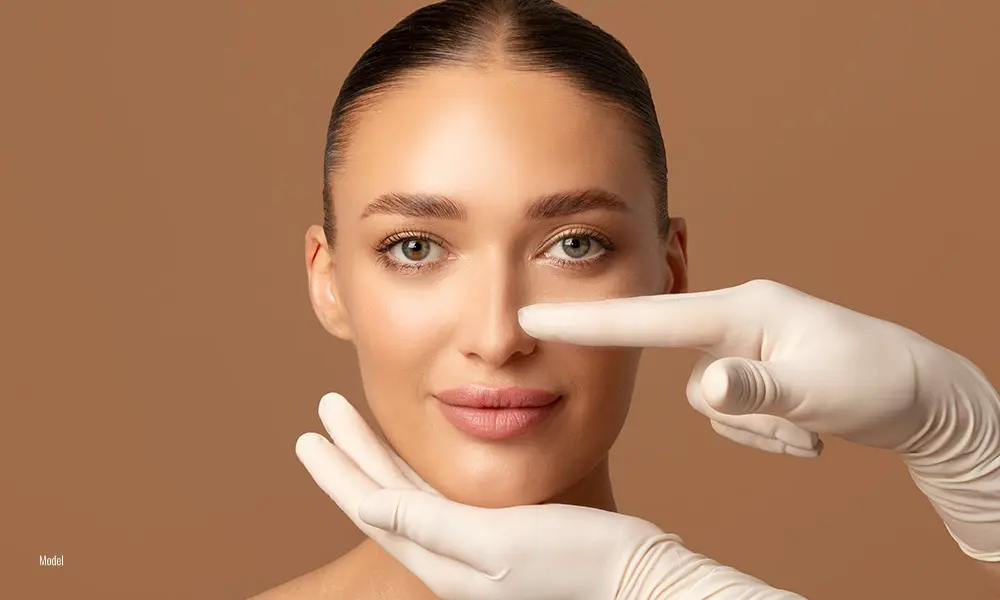

Rhinoplasty, commonly known as a nose job, is a cosmetic surgery that changes the shape or size of the nose. It is done for both appearance and medical reasons. Some people get rhinoplasty to improve the look of their face, while others need it to fix breathing issues, a deviated septum, or injuries like a broken nose. The procedure helps improve both facial balance and nasal function.
People usually choose rhinoplasty for different reasons. It can correct birth defects, repair a broken nose, open blocked nasal passages, or restore the nose’s shape after injury or illness. Whether you are considering Rhinoplasty in Mumbai or elsewhere, candidates for rhinoplasty should be healthy, finished growing, and have realistic expectations. It is also important that the decision comes from personal desire and not pressure from others.
Rhinoplasty is of two types: open and closed. In open rhinoplasty, the surgeon makes small cuts on the base of the nose to lift the skin and view the internal structure clearly. This approach is usually for major reshaping. Closed rhinoplasty involves making incisions inside the nostrils, which is less invasive and used for smaller changes. Other variations include cosmetic rhinoplasty (for looks), functional rhinoplasty (to improve breathing), nonsurgical rhinoplasty (using fillers for minor corrections), and secondary rhinoplasty (to fix problems from earlier surgeries).
Before the surgery, the doctor discusses your goals, examines your face, and may take photos for planning. You should share details about your medications and health history. The procedure is usually takes place on an outpatient basis, meaning you can go home the same day. It may be performed under general or local anaesthesia, depending on the case. During surgery, the surgeon reshapes bone and cartilage, then repositions the skin to match the new structure. The entire process usually takes one to three hours.
After surgery, a small splint is placed on the nose to maintain its new shape and reduce swelling. Sometimes, cotton packing is used inside the nose and removed within a couple of days. Swelling and bruising are common and may last for several weeks. Mild swelling can persist for months, and final results are usually visible after about a year. Each person heals differently, so following post-surgery instructions is important.
Some people may experience uneven swelling, known as asymmetrical healing. This can make one side of the nose appear different from the other during recovery, but it is a normal part of healing. Pain after rhinoplasty is usually mild and can be managed with prescribed or over-the-counter medicines.
The main benefits of rhinoplasty include a more balanced facial appearance, better breathing, and correction of structural issues like a deviated septum. However, like any surgery, there are risks such as infection, nosebleeds, scarring, or dissatisfaction with the results.
Recovery takes time—most swelling reduces after a few months, but complete healing can take up to a year. During this period, patients should avoid heavy lifting, sun exposure, or any activity that could injure the nose. Keeping the head elevated while sleeping and not blowing the nose can also help speed up recovery and ensure the best results.