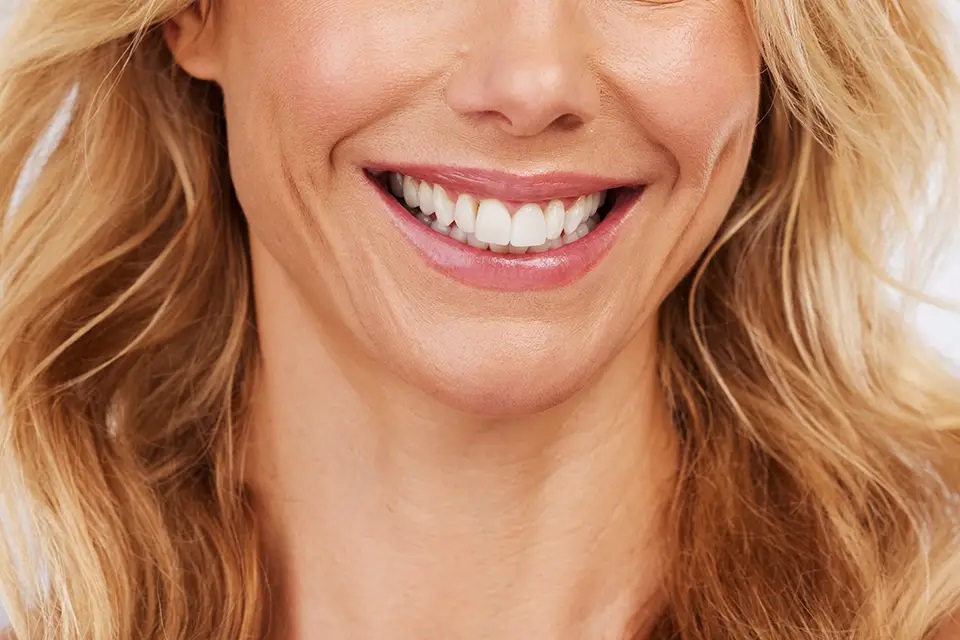

If you have ever scrolled through “before and after” smile photos and wondered how people achieve such balanced, harmonious results, the secret is rarely just whiter teeth. The most successful smile makeovers are carefully designed to match each person’s features, especially their face shape. When you are considering Veneers in Richmond Hill, shape and proportion matter just as much as colour. The right veneer design can slim a round face, soften a strong jawline, or add definition to a narrow smile.
Working with an experienced team at a trusted Dental Clinic in Richmond Hill helps you look beyond “perfect white teeth” and focus on what actually suits you. This guide explains the main types of dental veneers, their differences, and how to select an option that complements your unique face shape and smile objectives.
Types of Veneers
Not all dental veneers are the same. Materials, thickness, preparation, and longevity can vary significantly from one type to another. Understanding your options is the first step in choosing the best veneers for your face shape.
Porcelain Veneers
Porcelain veneers are thin shells of ceramic custom-made in a dental laboratory. They are highly durable, stain-resistant, and excellent at mimicking the translucent look of natural enamel.
Why people choose them:
- Long lifespan with proper care
- Natural, lifelike appearance
- Strong resistance to staining from coffee, tea, and wine
- Excellent for major changes in shape, size, and colour
Because porcelain veneers are individually crafted, your dentist can fine-tune their length, width, and contour to flatter your facial features.
Composite Veneers
Composite veneers are made from tooth-coloured resin, the same material used for white fillings. They are usually sculpted directly on the teeth in a single visit.
Why people choose them:
- Generally, a lower upfront cost than porcelain
- Faster treatment, often completed in one appointment
- Easy to repair or adjust if chips occur
Composite veneers are ideal for patients who want a conservative and cost-effective way to test out a new smile design or correct minor imperfections, such as chips, gaps, or mild discolouration.
Minimal-Prep or No-Prep Veneers
Minimal-prep veneers are ultra-thin porcelain shells that need little to no enamel removal and suit patients whose teeth are already fairly straight.
Why people choose them:
- Preserve more natural tooth structure
- More easily adjusted or modified later
- Ideal for subtle refinements and brightening
Temporary or Trial Veneers
Some patients benefit from wearing temporary veneers before the final set is made. These are usually made from acrylic or composite and allow you to “test drive” your new tooth shape and length.
Why people choose them:
- Chance to preview your new smile in everyday life
- Ability to adjust shape and size before the final porcelain is crafted
- Helpful for fine-tuning aesthetics to match your face shape and personality
At a modern Dental Clinic in Richmond Hill, trial veneers are often part of a comprehensive smile design process, especially for larger makeovers.
Matching Veneers to Different Face Shapes
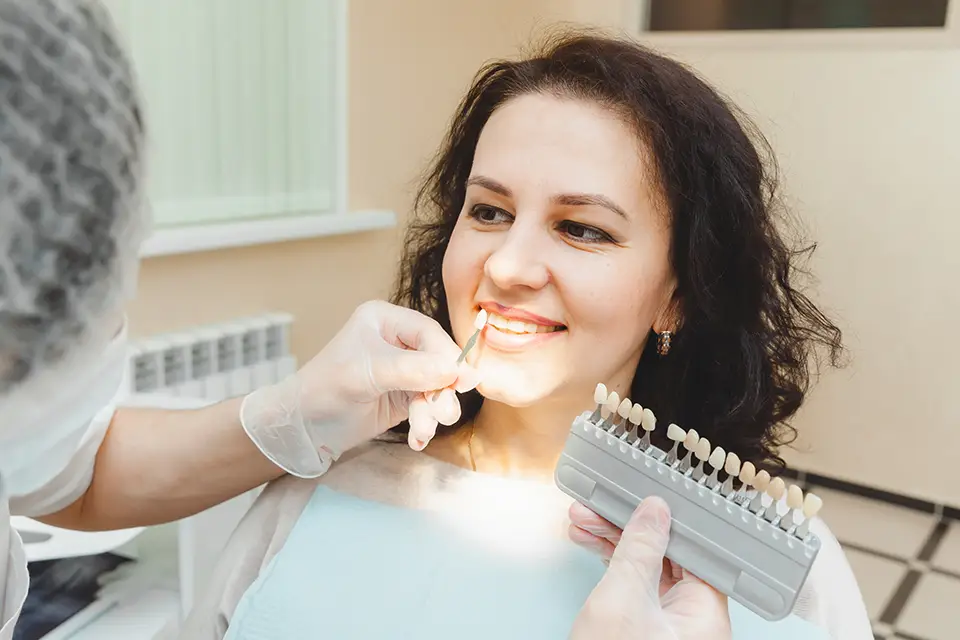
Once you understand the basic types of veneers, the next question is: which style best suits your face? Your dentist will consider facial proportions, lip shape, and even your personality when suggesting veneer designs. Here is how face shape often guides the choice.
Round Face
Patients with a round face often benefit from teeth that add a little vertical length and gentle angles.
- Best veneer characteristics: slightly longer, more rectangular teeth with soft corners
- Effect: creates the illusion of a slimmer, more elongated face
- Material choice: porcelain veneers are excellent here because they can be precisely shaped and balanced across your smile line
Square Face
A square face typically features a strong jawline and a broad forehead. The goal is often to soften, not exaggerate, those angles.
- Best veneer characteristics: rounded edges and slightly shorter central incisors
- Effect: softens the overall appearance and prevents the smile from looking too “boxy”
- Material choice: both porcelain and composite veneers can work; porcelain allows more detailed contouring for a very natural effect
Oval Face
Oval faces are naturally balanced, so veneers should maintain that harmony rather than drastically change proportions.
- Best veneer characteristics: classic, gently rounded teeth that follow the natural curve of the lower lip
- Effect: enhances symmetry without drawing attention to one specific feature
- Material choice: any veneer type can look beautiful; the final decision often comes down to budget, longevity, and how much colour change you want
Heart-Shaped Face
Heart-shaped faces are wider at the forehead and narrower at the chin. Here, veneers can help avoid making the lower half of the face look too small.
- Best veneer characteristics: slightly wider lateral incisors and balanced central teeth, with soft, feminine contours
- Effect: adds presence to the lower face and balances a broad forehead
- Material choice: porcelain veneers are often preferred for their ability to combine soft contours with bright, natural colour
Long or Rectangular Face
For longer faces, veneers that are too long can accentuate the length even more.
- Best veneer characteristics: slightly shorter crowns with gently rounded or square edges
- Effect: makes the smile look fuller and helps the face appear more proportional
- Material choice: porcelain or composite veneers can both be designed to add width rather than length.
Which Veneers Are Best for You?
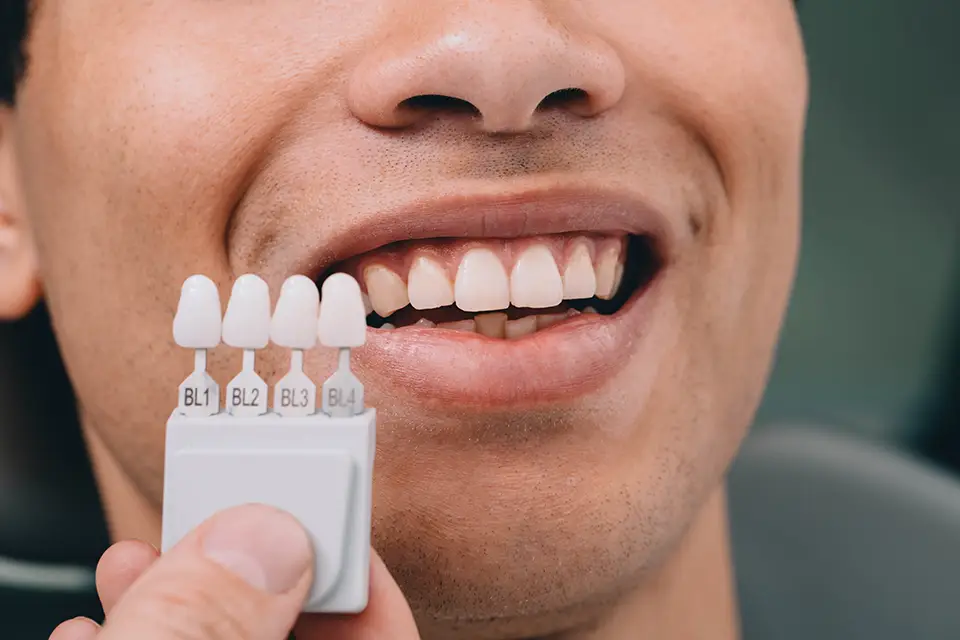
While face shape is important, it is only one piece of the puzzle. When you visit a practice that offers Veneers in Richmond Hill, your dentist will consider several factors together:
- Smile Goals
- Do you want a dramatic “Hollywood” transformation or a subtle refresh?
- Are you mainly correcting colour, or also shape, alignment, and size?
- Tooth Condition
- Are your teeth healthy and strong, or do they have large fillings, cracks, or wear?
- Is there enamel available for bonding veneers securely in place?
- Bite and Alignment
- How do your upper and lower teeth meet?
- Do you grind or clench your teeth, which might influence material choice and thickness?
- Budget and Timeline
- Porcelain veneers usually cost more but last longer and resist staining.
- Composite veneers have a lower upfront cost and can be placed quickly; however, they may require more maintenance over time.
- Maintenance and Lifestyle
- Are you willing to wear a night guard if you grind your teeth at night?
- Do you often drink coffee, tea, or red wine, which could influence how well a material holds its colour?
A thorough consultation at a reputable Dental Clinic in Richmond Hill typically includes photos, digital scans, and a detailed discussion of these points. In many cases, your dentist can show you mock-ups or digital previews of how different veneer shapes might look in relation to your face.
Conclusion
Choosing the best veneers for your face shape is about more than picking a shade of white. It means balancing tooth shape, length, and proportion with your facial features, lifestyle, and long-term goals, and understanding options like porcelain, composite, and minimal-prep veneers so you can make informed decisions.
If you are considering Veneers in Richmond Hill, working with an experienced team at a trusted Dental Clinic in Richmond Hill helps ensure your new smile is brighter, natural-looking, and truly suited to you—enhancing your features, boosting confidence, and feeling as good as it looks.