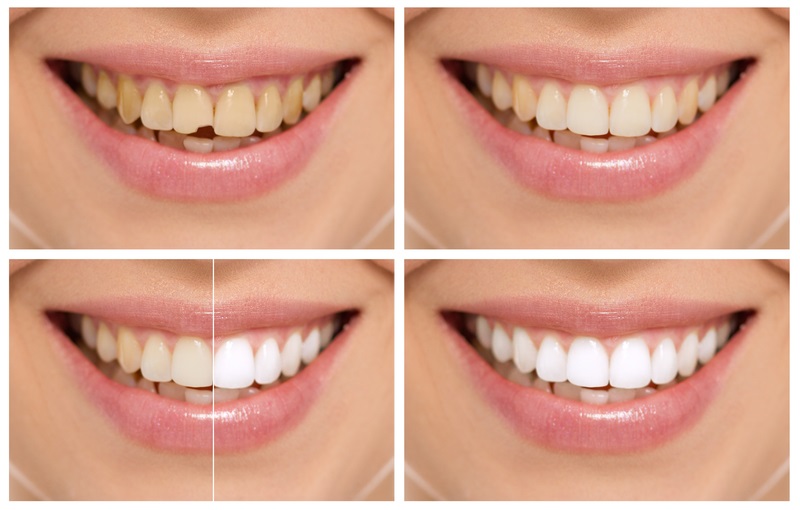

A bright, white smile is often seen as a sign of confidence, youth, and good health. It’s no wonder that teeth whitening has become one of the most popular cosmetic dental treatments in the world. However, before you reach for that whitening kit or schedule an in-office session, it’s important to understand how whitening works — and how it relates to your dental health, especially when it comes to tooth decay.
Whitening treatments can dramatically improve the appearance of your teeth, but they should always be done safely and at the right time. Knowing when (and how) to whiten your teeth can help you avoid unnecessary sensitivity, irritation, or long-term damage.
What Is Teeth Whitening?
Teeth whitening refers to a range of cosmetic procedures designed to lighten the natural color of your teeth and remove surface stains. The process typically uses peroxide-based bleaching agents that break down discoloration caused by food, beverages, or lifestyle habits.
There are several whitening options available today:
- Professional Whitening (In-Office): Performed by a dentist using stronger agents for faster, more noticeable results.
- At-Home Whitening Kits: Custom trays or strips containing mild bleaching solutions for gradual brightening.
- Whitening Toothpastes and Rinses: Gentle, non-bleaching options that help remove surface stains over time.
While whitening is generally safe when done correctly, it’s not suitable for everyone — particularly if you have untreated dental problems like cavities or gum inflammation.
Understanding Tooth Decay
Tooth decay is the result of a chemical process in which acids produced by bacteria in dental plaque erode the enamel — the hard, protective outer layer of your teeth. Over time, this can lead to cavities, pain, sensitivity, and even infection if left untreated.
Common signs of tooth decay include:
- Persistent tooth sensitivity to hot, cold, or sweet foods
- Visible holes or dark spots on the teeth
- Pain when chewing
- Bad breath or an unpleasant taste in the mouth
The main cause of tooth decay is the buildup of plaque — a sticky film of bacteria that forms after eating or drinking. Poor oral hygiene, frequent snacking, and high sugar consumption all contribute to this process.
Can You Whiten Teeth With Cavities or Decay?
Whitening treatments are meant to enhance the appearance of healthy teeth — not to treat existing dental problems. If you have cavities, gum disease, or exposed roots, whitening can worsen sensitivity or cause discomfort. In some cases, the bleaching agents may seep into areas of decay or damaged enamel, leading to irritation or uneven color results.
Before undergoing any teeth whitening procedure, it’s essential to have your dentist evaluate your oral health. They can check for cavities, enamel erosion, or gum inflammation and recommend treating those conditions first. Once your teeth and gums are healthy, you can safely proceed with whitening for optimal, lasting results.
How Tooth Health Affects Whitening Results
Healthy enamel plays a major role in how well whitening treatments work. Since enamel is slightly porous, the bleaching agents need an intact surface to lift stains effectively. If enamel is thin or damaged due to tooth decay, whitening results may be patchy or less effective.
Additionally, existing dental work — such as fillings, crowns, or veneers — won’t respond to bleaching. This means whitening can make natural teeth appear lighter than restorations, creating an uneven appearance. A dental professional can help plan a whitening approach that ensures uniform results.
Safe Whitening Practices
If your goal is to brighten your smile safely, here are a few important guidelines to follow:
- Consult Your Dentist First: Always start with a dental check-up to ensure you have no untreated cavities or gum problems.
- Opt for Dentist-Approved Products: Over-the-counter kits may seem convenient, but not all are regulated or suitable for sensitive teeth.
- Follow Instructions Carefully: Overusing whitening agents can damage enamel and increase tooth sensitivity.
- Avoid Whitening When Experiencing Pain or Sensitivity: These symptoms may indicate underlying tooth decay or enamel erosion.
- Maintain Daily Oral Care: Brushing, flossing, and using an antibacterial rinse help prevent new stains and decay after whitening.
How to Prevent Tooth Decay After Whitening
Whitening results can last longer when you protect your teeth from decay and staining. To keep your smile healthy and bright:
- Brush twice daily using fluoride toothpaste.
- Limit sugary snacks and acidic beverages.
- Drink plenty of water to wash away food particles and neutralize acids.
- Use a straw when consuming stain-causing drinks like coffee or tea.
- Visit your dentist regularly for cleanings and checkups.
Preventing tooth decay not only maintains your whitening results but also safeguards your long-term oral health.
When Whitening Isn’t the Right Choice
Whitening may not be suitable for everyone. People with sensitive teeth, receding gums, or extensive restorations should approach whitening cautiously. Similarly, if you have untreated tooth decay, bleaching can cause pain or irritation.
In some cases, dentists may recommend alternative cosmetic options such as bonding or veneers for patients who can’t undergo traditional whitening. These treatments can improve tooth color while also protecting weakened enamel.
The Takeaway
Teeth whitening can boost your confidence and improve your smile — but only when your teeth are healthy and strong. Addressing tooth decay and other dental issues before whitening ensures your results are not only beautiful but also safe and long-lasting.
Think of whitening as the finishing touch on a foundation of good oral care. By maintaining daily hygiene habits, scheduling routine dental visits, and understanding how whitening interacts with your dental health, you can enjoy a radiant smile that truly reflects your well-being.